
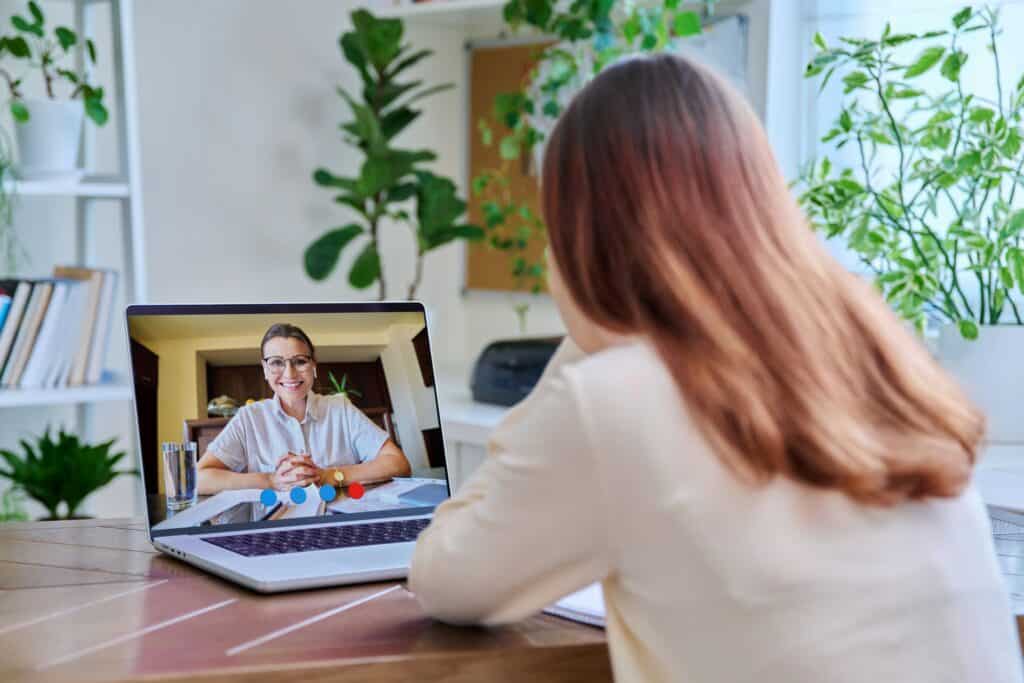
Finding Emotional Support Without Leaving Home
Starting therapy from home can feel both appealing and intimidating. You might be juggling work, family, or school, feeling overwhelmed, and still thinking, “I do not have time to drive across town for counseling.” Or maybe you are simply not sure where to begin, what to say, or how online sessions even work. On top of that, there can be worries about privacy, technology, and whether meeting on a screen can really help.
Those concerns are completely normal. At Serene Mind Counseling, our Mesa-based therapists offer online therapy in Arizona to make support more accessible, while still keeping it personal, safe, and grounded in evidence-based care. We focus on creating an inclusive, feedback-informed space so you can talk openly and adjust the process as you go. In this guide, we will walk through how online therapy works, how to know if it fits your needs, and the concrete steps to get started from your couch, kitchen table, or wherever you feel most comfortable.
Is Online Therapy in Arizona Right for You?
Online therapy means meeting with a licensed therapist through secure video or, in some cases, by phone. The conversations, goals, and therapeutic approaches are similar to in-office counseling, but you connect from your own space instead of sitting in a physical therapy office. For many people, that makes it easier to fit sessions into daily life and to keep showing up consistently.
Online therapy in Arizona can be especially helpful for people who:
- Have demanding work schedules or long commutes
- Are you caregiving for children or other family members?
- Attend college and move between home, campus, or different cities
- Have chronic health conditions, mobility challenges, or no reliable transportation
- Feel safer and more at ease talking about difficult experiences from home
It is common to wonder if you will feel a real connection through a screen or if your therapist can genuinely understand your body language and emotions. Many clients find that, after the first few minutes, a video session feels much like an in-person conversation. Confidentiality is another big concern, and it is important that your therapist uses a secure, HIPAA-compliant platform and clear privacy practices.
You might also question whether specific approaches, like EMDR, trauma therapy, anxiety therapy, or couples counseling, can work online. These methods can be adapted effectively to telehealth with the right preparation and tools. In Arizona, there are a couple of key basics to know: you need to be physically located within the state at the time of your session, and your therapist must be licensed to practice in Arizona. That way, your care aligns with state regulations and professional standards.
Choosing the Right Online Therapist for Your Needs
Before you pick a therapist, it helps to clarify what you are hoping will change. Are you looking for support healing from past trauma, reducing anxiety, improving communication with your partner, or coping with a recent life transition? You do not need perfectly defined goals, but naming a few priorities can guide your search.
When you look at therapists who offer online therapy in Arizona, consider:
- Training or experience in trauma therapy or EMDR if you have a history of traumatic events
- Experience with anxiety, panic, or chronic worry if those are your primary struggles
- Background in couples counseling if you want to work on relationship patterns
- A clear commitment to cultural inclusivity and respect for your identities and values
Practical fit matters too. Check whether their availability works with your schedule, how long sessions usually last, and what the fees are. You can ask if they accept your insurance or can provide receipts for HSA or FSA reimbursement. Pay attention to their communication style and how you feel when you read their information or speak with them briefly. Feeling reasonably comfortable, even if you are still nervous, is a good sign.
At Serene Mind Counseling, we approach this matching process as collaborative. We welcome questions about our experience with trauma therapy, EMDR, anxiety therapy, and couples counseling, and we invite feedback about what feels helpful or not. We also offer both in-office sessions in Mesa and online therapy, so you have flexibility to choose or combine formats as needed.
Step-by-Step: How to Start Online Therapy From Home
Once you have a sense of what you need, the next step is to connect with a practice that offers online therapy in Arizona. Typically, that starts by exploring their website to learn about services, specialties, and whether they clearly state that they provide telehealth. From there, most practices offer a contact form, an email option, or a phone number you can use to take the first step.
Many therapists begin with a brief phone consultation. During this conversation, you can share a little about what you are going through, ask questions about their approach, and get a feel for their personality. The therapist will usually check whether your needs match their training, confirm that they offer online sessions to clients located in Arizona, and review fees and scheduling options so you can decide if it feels like a fit.
If you decide to move forward, the next stage is intake. This often includes:
- Completing digital intake forms and questionnaires
- Reviewing informed consent and practice policies
- Reading about privacy and how secure telehealth sessions are conducted
- Receiving instructions or a link for the secure video platform
Before the first session, it can help to prepare emotionally in simple ways. You might jot down a few topics you want to talk about, specific symptoms that bother you, or situations that have been especially hard lately. You do not need a polished story. Just showing up, with whatever you can put into words, is enough.
Creating a Comfortable and Private Therapy Space at Home
One of the unique parts of online therapy is that your environment is part of the experience. Privacy is usually the first concern. If you share your home, you might plan sessions during quieter times, close doors, and use a white noise machine or fan outside the room. Many people also use headphones so their side of the conversation is not easily overheard. In some situations, sitting in a parked car in a safe spot can work as a temporary private space.
Comfort is important too. You do not need a perfectly styled room, just a few basics:
- A reliable internet connection and a charged device
- A seat where you can sit back and relax without physical strain
- Tissues, water or tea, and maybe a small notepad nearby
- Decent lighting so you and your therapist can see each other clearly
If you are doing trauma-focused work or EMDR, a few extra touches can help you feel grounded, such as a soft blanket, a favorite object to hold, or dimmer lighting that feels calming but still keeps you visible on camera. It is also useful to talk with your therapist about what to do if intense emotions arise, like simple grounding techniques or a brief break.
The aim is not perfection; it is a space where you can feel reasonably safe, seen, and able to speak freely, even if your home is busy or your setup is simple.
Making the Most of Your Online Sessions
When your first online session begins, you can expect your therapist to review privacy and check that the technology is working. After that, it often helps to start with a short summary of what brought you to therapy, what your days have been like lately, and what would make counseling feel worthwhile for you. You can be honest if you feel unsure or nervous; that is useful information for your therapist.
At Serene Mind Counseling, we value a feedback-informed approach. This means we regularly check in about how sessions feel, whether the pace is comfortable, and what is or is not helpful. You are encouraged to say if something feels off, if you want more structure or less, or if your goals shift over time.
Outside of sessions, small habits can support your progress, such as:
- Taking a few minutes after each session to jot down key insights
- Practicing coping skills or grounding exercises between appointments
- Noticing where anxiety eases, or where trauma triggers show up, so you can bring examples back to therapy
For couples in online counseling, meeting from home can make it easier to practice new communication skills in the actual spaces where conflicts often arise. For individuals, having therapy integrated into your home life can help you build ongoing routines of self-care, rather than seeing counseling as something separate from everyday reality.
Taking Your First Step Toward Supportive Care
Feeling both drawn to support and nervous about starting is completely human. You might worry about opening up, about the technology, or about whether online therapy in Arizona will really make a difference. It is okay to move slowly, ask questions, and remind yourself that you are allowed to pause, adjust, or change therapists if something is not working.
At Serene Mind Counseling, we know that beginning therapy, especially online, is a meaningful step. Online sessions can create space for EMDR, trauma therapy, anxiety therapy, and couples counseling that fit into real life, without requiring you to leave home. From our perspective, you do not have to have everything figured out to get started. You only need a willingness to take one small step toward the care and support you deserve.
Take Your Next Step Toward Healing Today
If you are ready to explore how life can feel calmer and more manageable, we are here to support you. At Serene Mind Counseling, our licensed therapists offer online therapy in Arizona so you can get care from the comfort and privacy of your own space. Schedule a free consultation to see whether our approach feels like a good fit for your needs. You can also contact us with any questions about getting started.